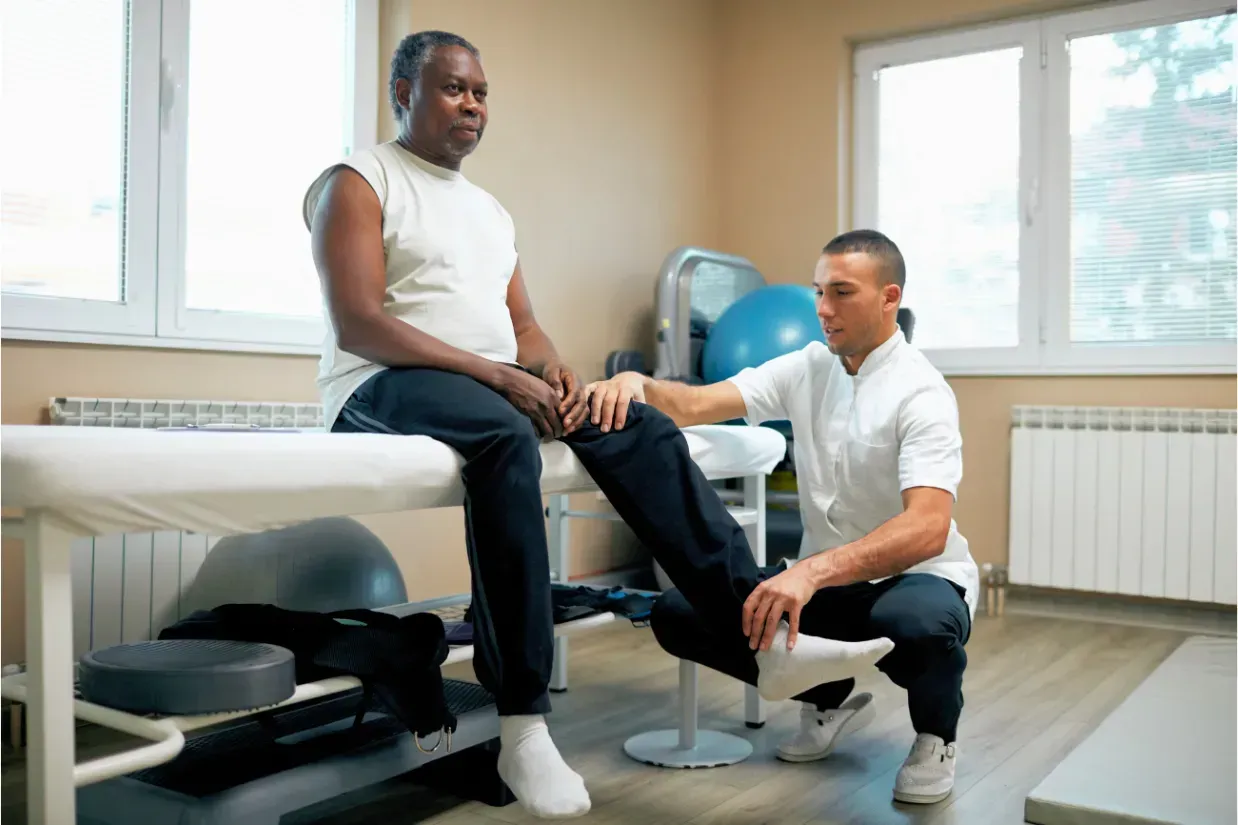
Is Chronic Knee Pain Holding You Back? When to Consider a Knee Replacement
For many residents in and around Karnes County, life is defined by movement. But when chronic knee pain begins to dictate what you can and cannot do, your world can feel increasingly small.
If you’ve spent months or even years managing discomfort with braces, injections, and over-the-counter medications, you may be wondering if there is a more permanent solution. At Otto Kaiser Memorial Hospital (OKMH), we believe pain shouldn't be your new normal.
Here is how to know when it’s time to move past temporary fixes and consider a knee replacement as your path back to independence.
Signs That Conservative Treatments Are No Longer Working
In the early stages of joint degeneration or osteoarthritis, conservative treatments like physical therapy or anti-inflammatory medications are often effective. However, there comes a point of diminishing returns.
You should consider a consultation with the specialists at Kaiser Orthopedics if you experience the following:
- Pain that disrupts sleep. Knee pain may keep you awake at night despite taking medication.
- The "furniture walk," meaning that you find yourself grabbing onto walls or furniture to move across a room.
- Reduced mobility. Note if you’ve started declining social invitations or avoiding stairs because the physical toll is too high.
- Pain that persists even at rest. Your knee throbs or aches even when you are sitting still or lying down.
- Visible swelling or a bowing of the leg, which can indicate advanced joint wear.

The Benefits of Modern Surgical Techniques for Knee Pain
Modern knee replacement surgery is no longer the intimidating last resort it was decades ago; thanks to technological advances, it is now a precision-guided procedure designed for longevity and rapid recovery.
At OKMH, our surgical approach focuses on three pillars:
- Tissue Preservation: Advanced techniques allow for smaller incisions and less disruption to the surrounding muscles and ligaments.
- Customized Implants: We use high-quality components tailored to your specific anatomy, ensuring a more natural feel and better range of motion.
- Enhanced Recovery Protocols:
Improved anesthesia and post-operative pain management mean many patients are up and walking much sooner than they expected.
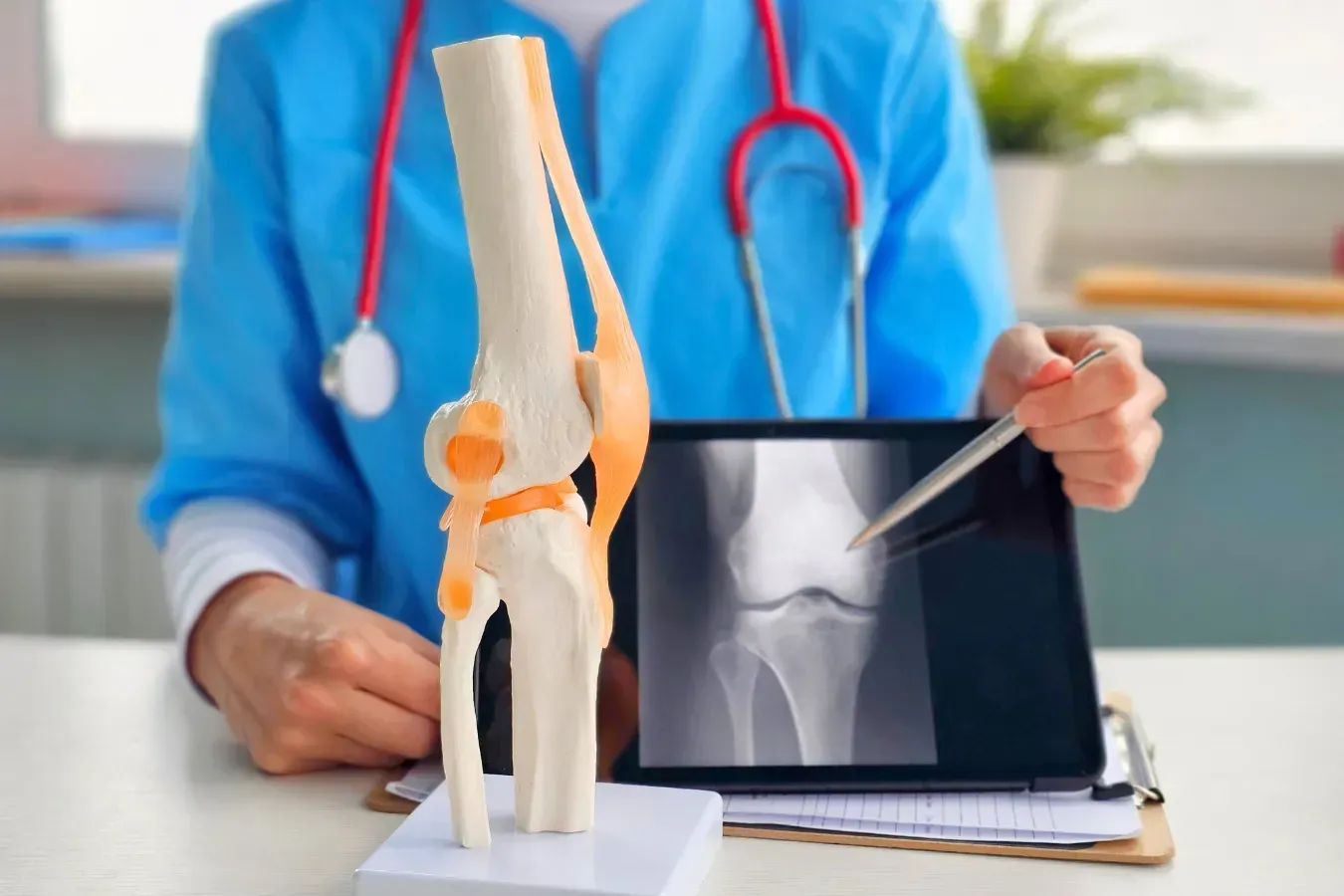
How to Prepare for a Successful Knee Replacement
Preparation is the key to a smooth recovery. If you and your surgeon decide that knee replacement is the right step, you can set yourself up for success by:
- Optimizing Your Health: Focus on nutrition and, if possible, gentle "pre-hab" exercises to strengthen the muscles surrounding the knee.
- Modifying Your Home: Clear away trip hazards like rugs, and consider installing a shower chair or a raised toilet seat for the first few weeks of recovery.
- Arranging Support: Have a friend or family member ready to assist with meals and transportation for the first week home.
A Look at Life After Knee Replacement
The goal of a knee replacement isn't just to "fix a joint." More than anything, it’s to restore your quality of life. Within a few months of surgery and dedicated physical therapy, most patients find they can return to the activities they love without the constant disruption of chronic pain.
Don't let chronic pain hold you back from the life you deserve. At Otto Kaiser Memorial Hospital, our orthopedic team is dedicated to providing big-city expertise with small-town care.
Contact us today to schedule your consultation and find out if knee replacement is the right solution for you.

Knee Surgery Frequently Asked Questions (FAQ)
How long does a knee replacement last?
With modern materials and surgical techniques, most knee replacements are designed to last 15 to 20 years or longer, depending on your activity level and overall health.
How long is the recovery period?
While every patient is different, most people can resume light daily activities within 3 to 6 weeks. Full recovery and a return to more strenuous activities typically occur between 4 and 6 months.
Will I need physical therapy?
Yes. Physical therapy is a vital part of the recovery process. It helps you regain strength, improve flexibility, and ensures your new joint functions at its best.
Is the surgery covered by insurance?
Most major insurance plans, including Medicare, cover knee replacement surgery when it is deemed medically necessary. Our billing department can help you navigate your specific coverage.