Is the World Getting Blurry? How to Know if Cataracts Are the Cause
Have you noticed that the world seems a little dimmer lately? Perhaps oncoming headlights at night have become blinding, or your favorite book's text isn't as crisp as it used to be. When blurry vision causes daily frustration, the culprit is often a common age-related change: cataracts.
At Otto Kaiser Memorial Hospital (OKMH), we believe that clear vision is fundamental to your independence and quality of life. Understanding what is happening to your eyes is the first step toward seeing the world clearly again.
What Are Cataracts, Exactly?
In simple terms, a cataract is a clouding of the eye’s natural lens. Think of your eye like a camera; the lens focuses light to create a sharp image. In a healthy eye, this lens is clear.
As we age, the proteins within the lens begin to clump together. This process gradually turns the clear lens into a cloudy or milky one, obstructing the light that enters the eye and resulting in blurred images. It is a natural part of the aging process, and it can be treated effectively through modern medical care.
The Subtle, Early Signs of Cataract Symptoms
Cataracts rarely happen overnight. They develop slowly, and many people don't realize their vision is failing until it impacts their safety or hobbies. Watch for these common cataract symptoms:
- Increased glare. You may notice visual halos around streetlights or find that the sun seems uncomfortably bright.
- Faded colors. The world may start to look like an old photograph: yellowed, brownish, or generally less vibrant than it once was.
- Difficulty reading. Even with the right prescription, you might find yourself needing brighter lamps or a magnifying glass to see small print.
- Frequent prescription changes. If you find yourself needing new glasses or contacts more often than usual, your lens may be changing due to cataract development.
- Poor night vision. Driving after dark becomes increasingly difficult due to a lack of contrast and increased light sensitivity.

The Importance of Comprehensive Eye Exams
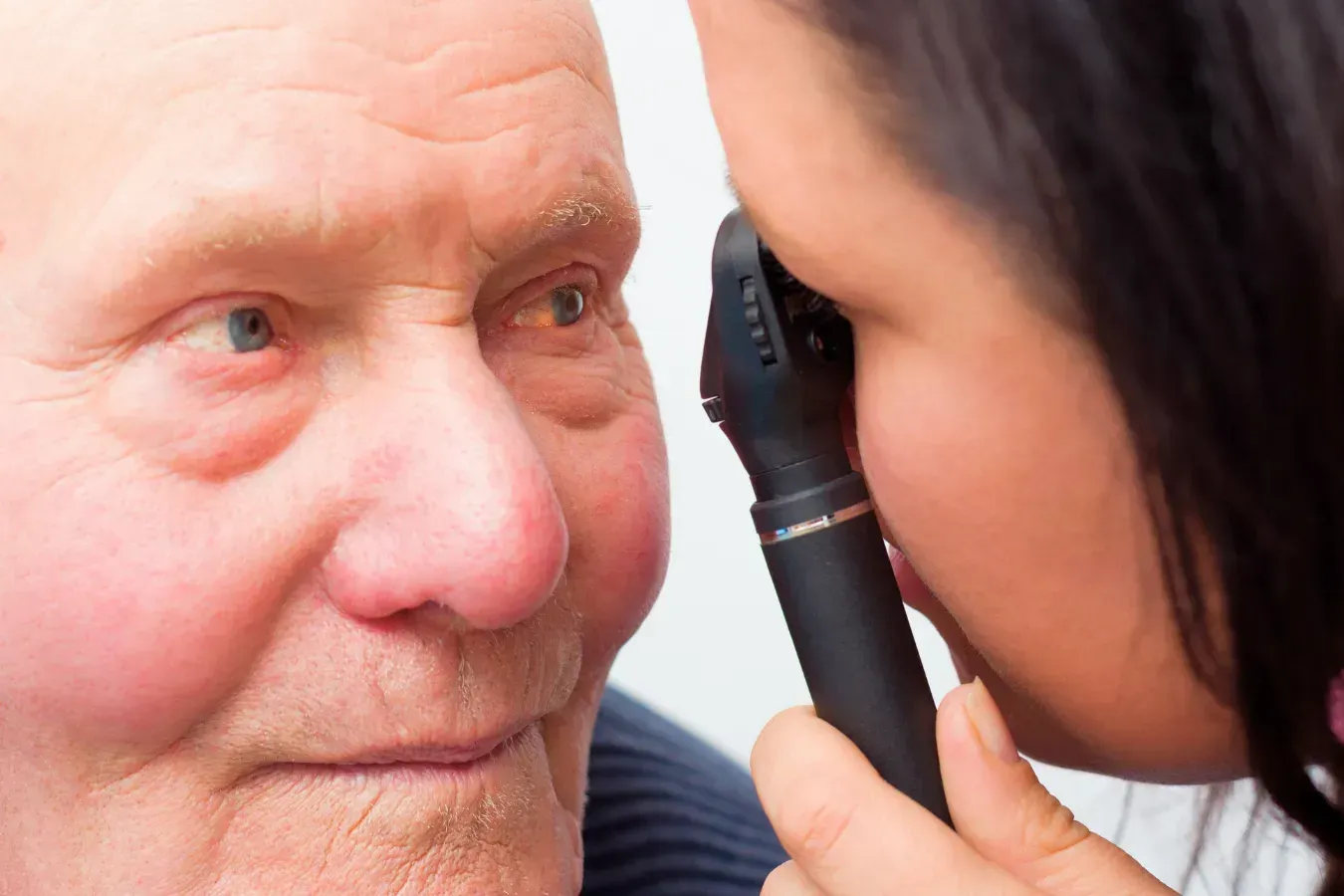
Because vision loss is gradual, your brain often tries to compensate for the changes. This is why a comprehensive eye exam is the only definitive way to diagnose cataracts.
During an exam, an eye care professional can see through the lens to determine the extent of the clouding and rule out other potential blurry vision causes, such as glaucoma or macular degeneration.
Early diagnosis of cataracts allows you to monitor the progression and decide on a treatment plan before your vision declines enough to impact your safety and quality of life.
Expert Surgical Eye at Otto Kaiser Memorial Hospital
You don’t have to travel to a big city to receive high-level ophthalmology care. OKMH is proud to offer specialized eye services right here in our community. Our team uses state-of-the-art diagnostic equipment to assess your eye health and provide clear, honest answers about your treatment options.
Whether you require a simple monitoring plan or are ready to discuss surgical services, our team focuses on patient comfort and superior outcomes.
Frequently Asked Questions (FAQ)
Are cataracts only caused by aging?
While aging is the most common cause, cataracts can also be linked to eye injuries, certain medications (like long-term steroid use), or underlying health conditions like diabetes.
Can cataracts be reversed with eye drops?
No. Currently, there are no medications or drops that can wipe away a cataract. The only way to restore vision lost to cataracts is to surgically replace the cloudy lens with a clear, artificial one.
Is cataract surgery safe?
Yes, cataract surgery is one of the most common and safest procedures performed in the United States. Most patients report a significant improvement in vision almost immediately following the procedure.
When is the right time for surgery?
The right time is when your cataracts begin to interfere with your daily life, like driving, reading, or working. You do not have to wait to have it removed.
See the World Clearly Again Today
If you’re tired of living in a blurry world, take the first step toward clarity. Our team at Otto Kaiser Memorial Hospital is here to guide you from uncertainty to a clear diagnosis and a personalized treatment plan.
Ready to find out if cataracts are holding you back? Schedule an appointment or request more information here to meet with a doctor and start your journey toward better vision.