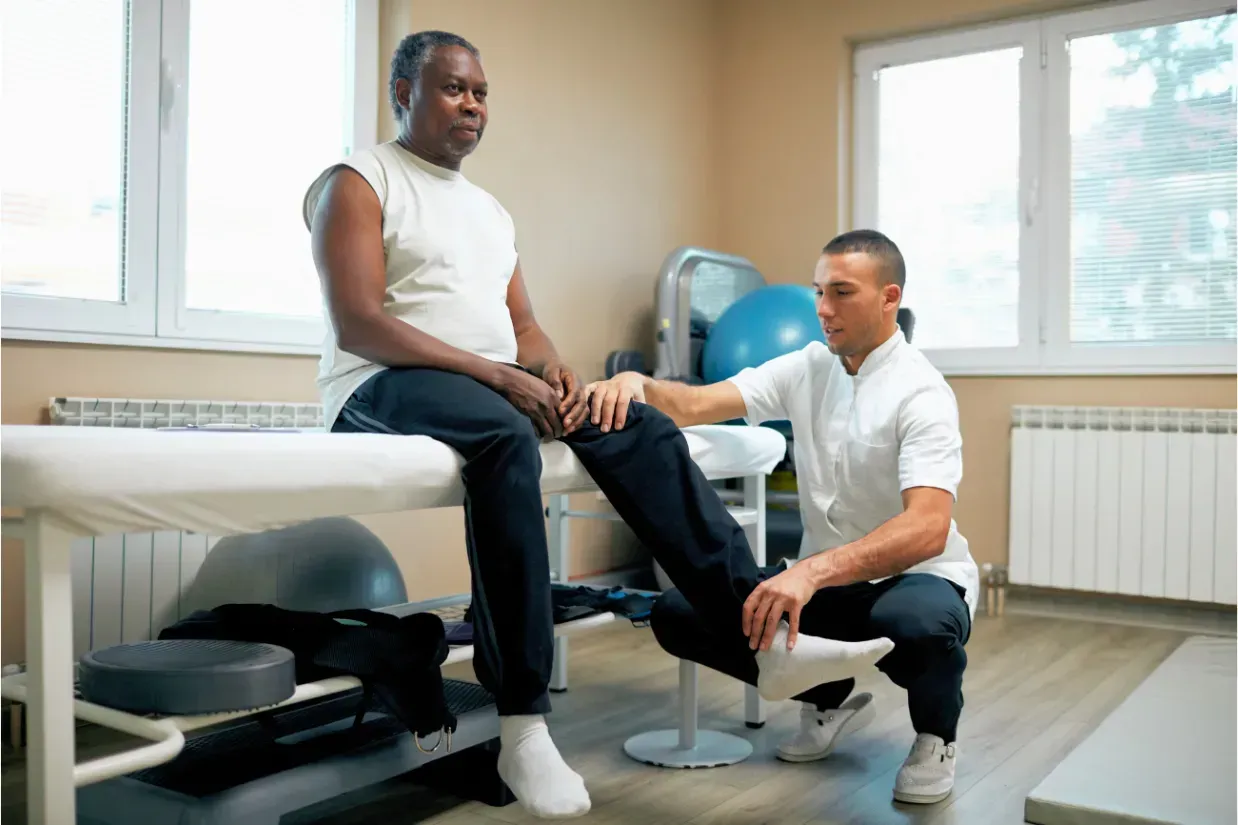
From Sidelines to Comeback: What Student Athletes Should Know About ACL Surgery
If you're a student athlete or the parent of one, hearing the words "ACL tear" can be a difficult moment. Whether it happened on the football field, basketball court, or track, an ACL injury often signals time away from sports. But with the right care and information, it doesn’t have to be the end of the story. At Otto Kaiser Memorial Hospital, we help student athletes understand what ACL surgery involves and how to make a steady comeback.
In this blog, we'll walk you through what ACL surgery is, why it matters, common causes and risk factors, the health impacts of this injury, and how our local care team can support your recovery and return to play.
What Is ACL Surgery and Why Does It Matter
The anterior cruciate ligament (ACL) is one of the stabilizers in the knee. It helps control movement and maintain balance, especially during sudden stops, pivots, or changes in direction, movements common in youth sports. When the ACL tears, surgery is often recommended, particularly for active teens who want to return to their sport.
ACL surgery typically involves a reconstruction using a graft (often from the patient's own hamstring or patellar tendon). The goal is to restore knee stability and function so the athlete can return to activity.
While the surgical procedure is commonly performed in sports medicine, the recovery process is where much of the progress happens. Physical therapy, mental resilience, and proper post-operative care all play a role in getting back to sports safely.
Risk Factors or Causes of ACL Injuries
Several factors can increase the risk of ACL injuries, especially among young athletes in competitive or high-impact sports. These risk factors aren’t always avoidable, but being aware of them can help reduce the chances of injury:
- Rapid changes in direction: This is common in sports like football, soccer, and basketball.
- Poor landing technique: Jumping and landing without proper form can stress the knees.
- Sudden stops or awkward movements: Sports like tennis or baseball that require fast stops or turns can contribute.
- Muscle imbalances or weak core/leg muscles: Strength in these areas is important for protecting the knee joint.
- Playing on uneven surfaces or with worn-out footwear: School fields and courts that aren’t maintained can increase injury risk.
- Returning to play too soon after a previous injury: Without full healing and rehab, reinjury is a concern.
In Kenedy, where school sports are part of the community, young athletes may be more vulnerable to overuse injuries without sufficient rest and cross-training.
Health or Lifestyle Impacts of ACL Injuries
An ACL tear can affect daily mobility, emotional well-being, and athletic development.
Short-term impacts include:
- Swelling and pain
- Loss of knee stability
- Inability to participate in sports or P.E.
- Missed school, games, and social events during recovery
- Dependence on crutches or braces
Long-term concerns may involve:
- Risk of arthritis in the injured knee
- Chronic knee instability if rehab isn’t followed properly
- Changes in speed or agility after return
- Confidence issues related to fear of re-injury
- Possibility of future surgeries
Mentally, some student-athletes may feel isolated or discouraged during recovery. Support from family and medical providers can make a difference.
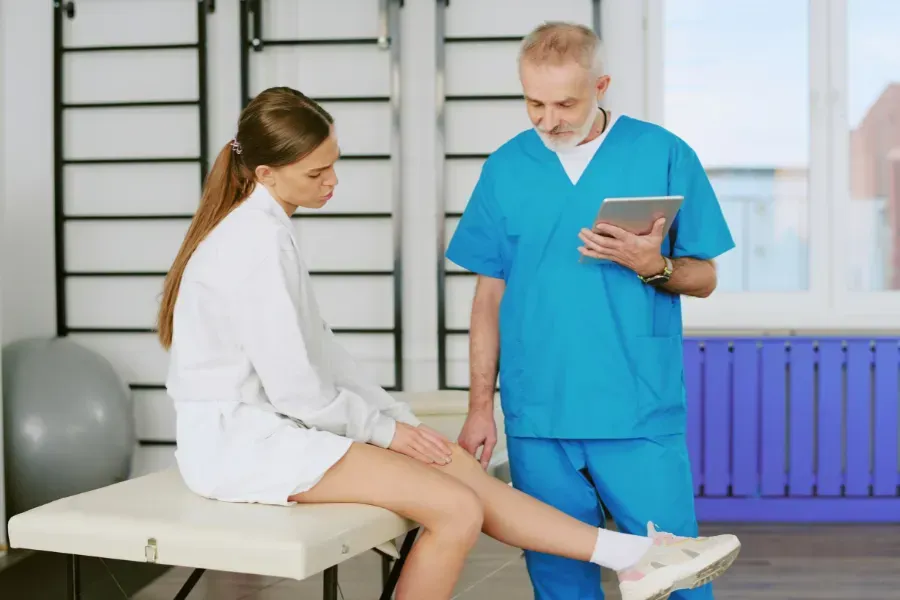
What to Expect from ACL Surgery and Recovery
At Otto Kaiser Memorial Hospital, we guide student athletes and their families through every phase of the ACL surgery process. Here’s a general overview of what to expect:
Pre-Surgery Preparation
- Evaluation with orthopedic specialists and imaging (MRI)
- Prehabilitation: strengthening surrounding muscles to improve post-op recovery
- Education on surgery and recovery timeline
The Procedure
- Outpatient surgery using arthroscopic techniques
- Graft selection based on age, activity level, and surgeon recommendation
- Typically takes 1-2 hours
Post-Surgery Recovery Timeline
- Week 1-2: Rest, manage swelling, begin gentle range-of-motion exercises
- Weeks 3-6: Start physical therapy, regain strength and mobility
- Weeks 6-12: Progressively increase activity and stability
- 3-6 Months: Higher-level strength and agility training
- 6-9 Months: Return-to-sport assessments and sport-specific drills
Recovery time varies, but many student athletes return to competition within 9–12 months. Attempting to shorten this timeline increases the risk of reinjury.
How Otto Kaiser Memorial Hospital Supports Student Athletes
At Otto Kaiser Memorial Hospital, we offer orthopedic services tailored to young athletes and their families. From diagnosis to rehab, our care team works closely with each patient to:
- Provide a clear diagnosis and surgical planning
- Perform ACL reconstruction using minimally invasive techniques
- Coordinate physical therapy in Kenedy
- Monitor recovery milestones with return-to-play guidance
- Educate families on injury prevention and joint health
- Offer emotional support throughout recovery
We also communicate with local coaches and trainers to promote a safe return to sport. Whether your child plays football or runs cross-country, our goal is to support a confident, well-rounded recovery.

Imaging Technology at Otto Kaiser Memorial Hospital
We’ve invested in advanced diagnostic equipment and experienced staff so that residents of Kenedy and surrounding communities can receive trusted care close to home. Our imaging services include:
- CT scanning
- High-resolution MRI
- Digital X-rays
- Ultrasound imaging
- Mammography and bone density screening
We also prioritize:
- Quick scheduling
- Timely results
- Coordination with primary care and specialty providers
- Patient safety and low-dose imaging whenever possible
Our radiology and imaging team brings clinical expertise and a patient-first approach to every scan.
Contact Otto Kaiser Memorial Hospital to schedule your imaging appointment today. We’re here to help you get a clearer picture of your health and what comes next.