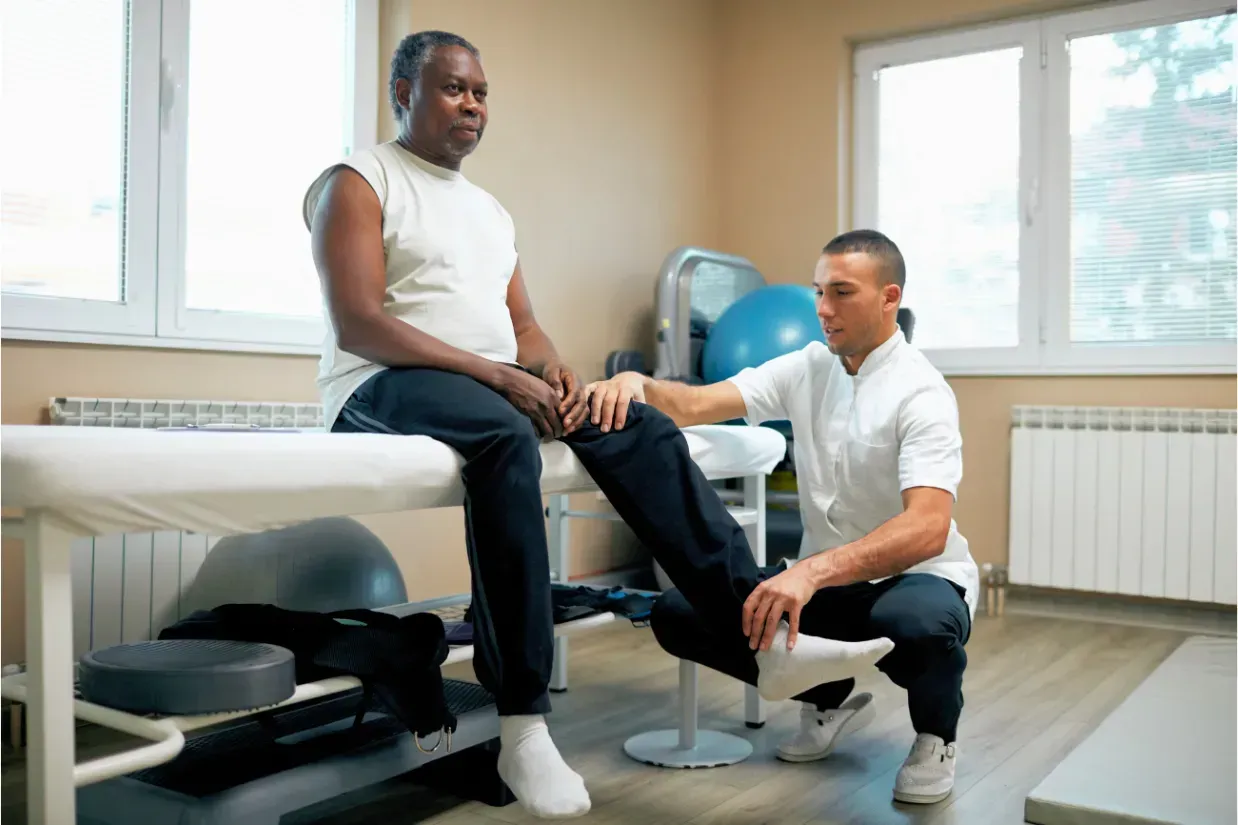
A Clearer Picture: How Advanced Imaging Leads to Better Diagnoses
In a town like Kenedy, TX, where personalized care matters, having access to advanced medical technology can make all the difference. If you've ever had a lingering pain, sudden injury, or unexplained symptoms, you know how important it is to get answers quickly and accurately. That's where advanced imaging comes in.
At Otto Kaiser Memorial Hospital, we're proud to offer state-of-the-art imaging services that help our providers see what’s happening inside your body — so they can make informed decisions and guide you toward the right treatment path.
What Is Advanced Imaging and Why It Matters
Advanced imaging refers to a range of non-invasive tests that create detailed pictures of the inside of the body. These technologies include CT (computed tomography), MRI (magnetic resonance imaging), ultrasound, and digital X-rays. Each has specific strengths and helps detect or rule out a variety of conditions.
These tools are essential because many health issues aren't visible from the outside. From detecting broken bones to uncovering internal bleeding or monitoring chronic conditions, imaging gives healthcare teams the information they need to:
- Confirm or clarify a diagnosis
- Monitor disease progression
- Guide treatment decisions
- Evaluate how well the treatment is working
At Otto Kaiser, our imaging team collaborates closely with physicians and specialists to ensure results are read promptly and clearly explained to patients.
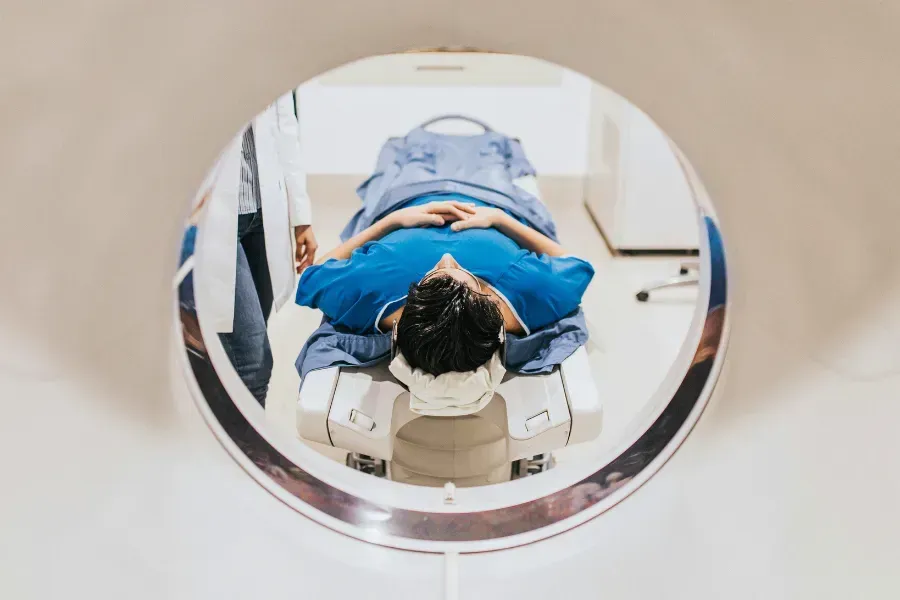
Common Uses and Benefits of Imaging
Medical imaging supports many areas of care, from emergency situations to routine checkups. Here are some of the most common ways it’s used:
- CT Scans: Used to detect trauma injuries, infections, cancer, and internal bleeding. CT is often the first step in emergency evaluations.
- MRI Scans: Excellent for visualizing soft tissues like the brain, spine, joints, and internal organs. Commonly used for neurological conditions or joint injuries.
- Ultrasound: Often used during pregnancy, but also valuable for imaging the heart, liver, kidneys, and blood flow.
- Digital X-rays: Still a frontline tool for detecting fractures, lung issues, and arthritis.
Each of these imaging methods allows for quick, accurate insight with minimal discomfort. Many are outpatient procedures and don’t require lengthy preparation or downtime.
Why Local Access to Imaging Matters in Kenedy, TX
Living in a smaller community like Kenedy doesn’t mean you should have to travel far for high-quality care. Having advanced imaging services available locally provides key benefits:
- Faster Diagnoses: Immediate access to scans means quicker results and treatment decisions.
- Reduced Travel Stress: No need to drive to San Antonio or Corpus Christi for essential services.
- Better Continuity of Care: Imaging and follow-up are coordinated within your local healthcare team.
- More Comfortable Experience: Patients can stay close to family and familiar surroundings.
Whether you’re dealing with a sudden health issue or managing a chronic condition, convenient access to modern imaging right here in Karnes County saves time and supports better outcomes.
What to Expect During a Diagnostic Imaging Procedure
If you’ve never had an imaging test before, it’s normal to feel unsure about what to expect. While each type of imaging is different, most follow a similar process:
Before Your Scan:
- You may be asked to change into a gown.
- Some scans (like CT or MRI) may require fasting or avoiding certain medications.
- You’ll be guided through any special preparations by the imaging team.
During the Scan:
- The technician will position you on the exam table.
- You’ll be asked to stay still for clear imaging.
- Some tests involve contrast dye to highlight areas of concern.
After the Scan:
- There’s usually no downtime; most patients resume normal activity right away.
- A radiologist will interpret the images and send results to your provider.
- Your provider will review findings with you and discuss next steps.
At Otto Kaiser, our imaging team is trained to keep the experience as smooth, safe, and stress-free as possible.
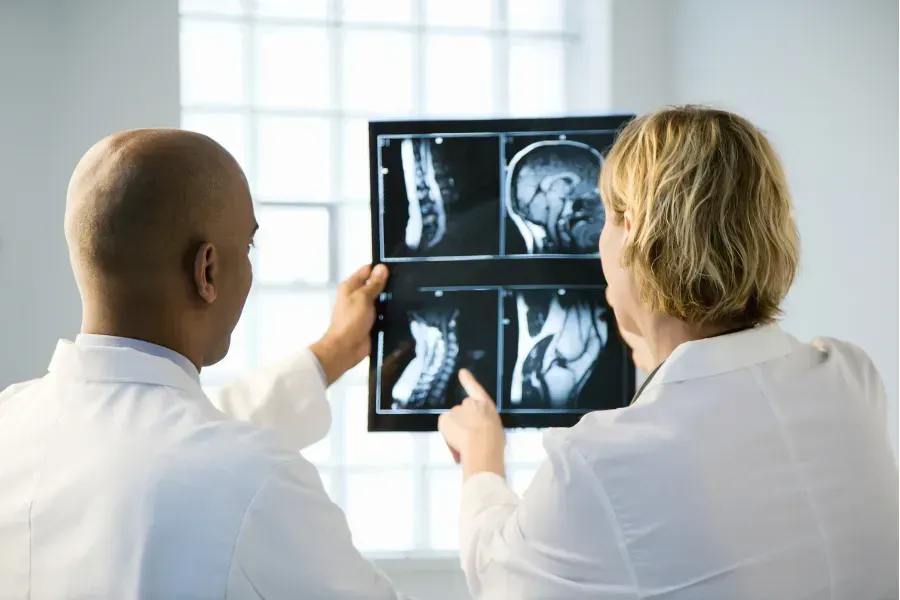
The Role of Imaging in Preventive Health
While imaging is often associated with urgent care, it’s also a vital part of preventive health:
- Mammograms can detect early signs of breast cancer.
- Bone density scans help identify osteoporosis before fractures occur.
- Cardiac imaging can catch signs of heart disease before symptoms develop.
At Otto Kaiser, we work with patients to ensure screening tests are completed on schedule and interpreted with care. Preventive imaging can lead to earlier treatment and, in many cases, better long-term health.
Imaging Technology at Otto Kaiser Memorial Hospital
We’ve invested in advanced diagnostic equipment and experienced staff so that residents of Kenedy and surrounding communities can receive trusted care close to home. Our imaging services include:
- CT scanning
- High-resolution MRI
- Digital X-rays
- Ultrasound imaging
- Mammography and bone density screening
We also prioritize:
- Quick scheduling
- Timely results
- Coordination with primary care and specialty providers
- Patient safety and low-dose imaging whenever possible
Our radiology and imaging team brings clinical expertise and a patient-first approach to every scan.
Contact Otto Kaiser Memorial Hospital to schedule your imaging appointment today. We’re here to help you get a clearer picture of your health and what comes next.

Imaging Technology at Otto Kaiser Memorial Hospital
We’ve invested in advanced diagnostic equipment and experienced staff so that residents of Kenedy and surrounding communities can receive trusted care close to home. Our imaging services include:
- CT scanning
- High-resolution MRI
- Digital X-rays
- Ultrasound imaging
- Mammography and bone density screening
We also prioritize:
- Quick scheduling
- Timely results
- Coordination with primary care and specialty providers
- Patient safety and low-dose imaging whenever possible
Our radiology and imaging team brings clinical expertise and a patient-first approach to every scan.
Contact Otto Kaiser Memorial Hospital to schedule your imaging appointment today. We’re here to help you get a clearer picture of your health and what comes next.